
PRP and skin booster course for nurses in Ontario
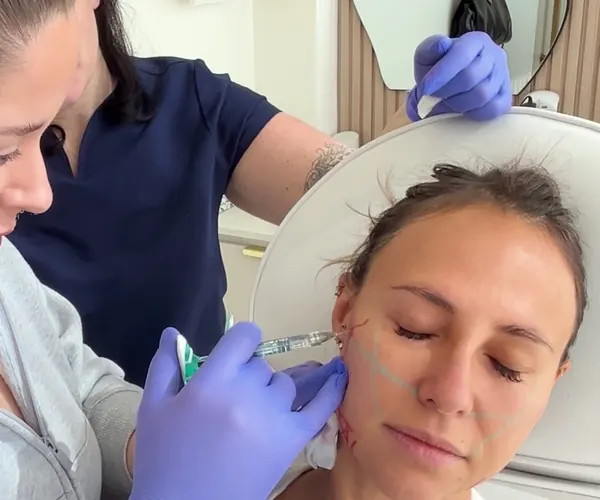
PRP training in Ontario for RNs, RPNs, NPs and physicians, with skin boosters and PDRN in the same course. Here the map is about quality, not volume: fine, even injections across an area, learned in class first, then in very small groups on live models in our teaching clinic near Bradford, Ontario.
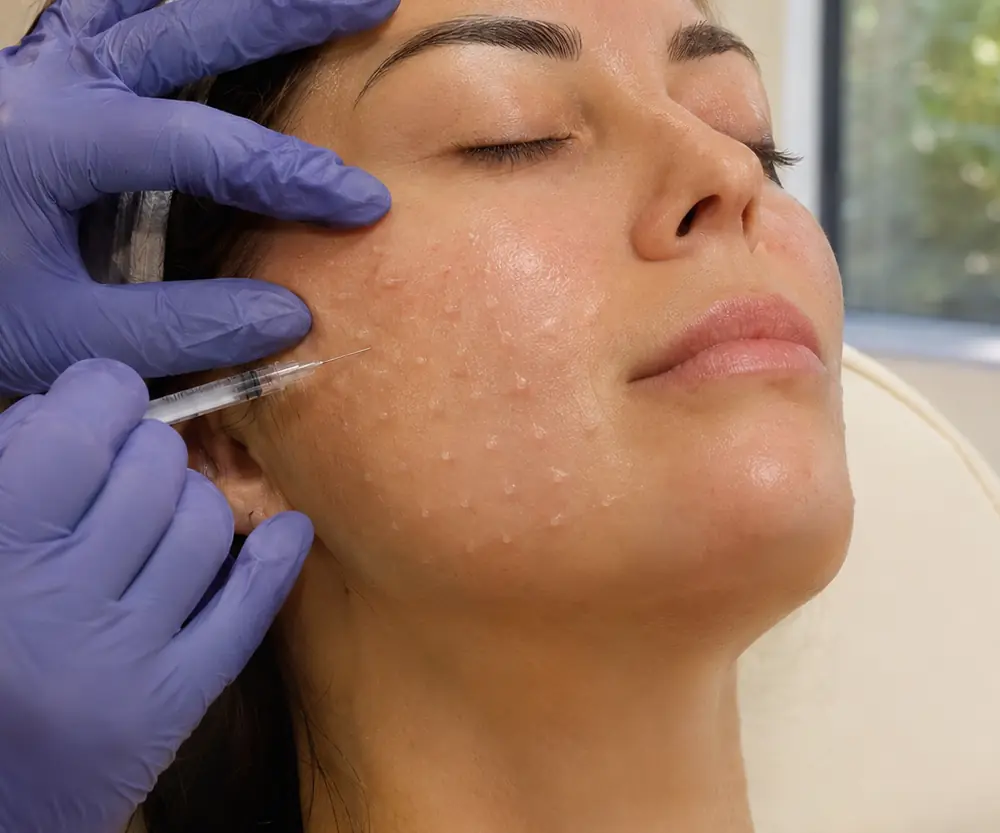 4Skin
- In clinicTheory, then supervised hands-on
- 3 students maxVery small groups
- Live modelsEach assessed by an NP or physician
- DatesAsk admissions. All dates
- PriceAdmissions gives the price
One mark. Five modules.
Mark 4 is the whole surface of the face, so it splits into five modules. You learn each one in class first, map it on a live model in clinic, then treat it under supervision.
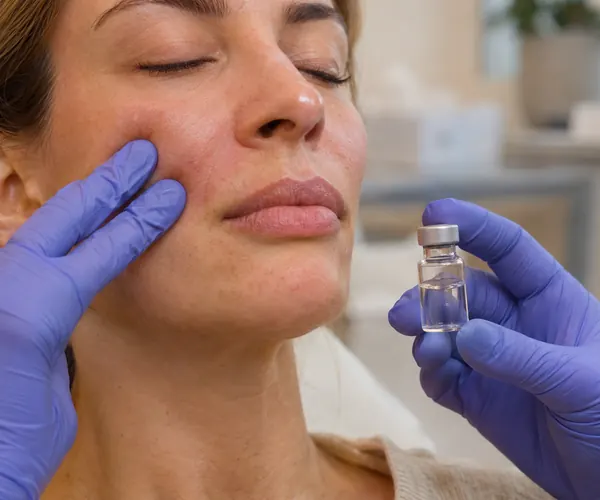
- 4Skin Skin boosters Soft hyaluronic acid placed in many small deposits across an area, for skin quality rather than shape. You learn to plan the grid on the client's face, read the skin first, and keep the amounts small and even. Respect: Depth and spacing. Skin boosters stay superficial and evenly spaced; placed too deep or too close, they stop being skin work.
- 4Skin PDRN Respect: The under-eye. The skin there is thin, so depth and the amount per point matter more than anywhere else in this course.
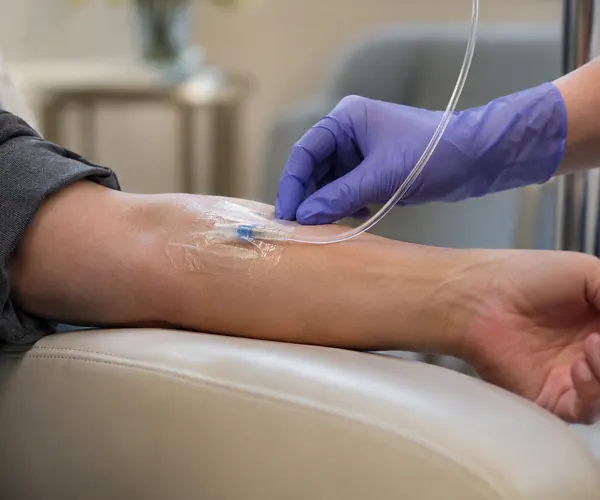
- 4Skin PRP: the draw From the client's arm to the tube: the blood draw, preparing the plasma, and keeping it labelled and sterile until it goes back to the same client. Placing the plasma back is a controlled act, so for RNs and RPNs the treatment needs an order from an NP or physician. Respect: The blood product. It belongs to one client, stays sterile and labelled from the draw to the treatment, and is never stored for later or used for anyone else.
- 4Skin PRP for the face Placing the client's own plasma across the face, by injection or with microneedling, and planning it over a series of visits. Respect: Sterile handling at every step. You work with a blood product on open skin, so the field, the gloves and the order of steps are taught before the needle.
- 4Skin PRP for the scalp Mapping the scalp in a grid, placing PRP through the hair, and charting each visit so the next injector can follow the plan. Respect: Spacing across the scalp. The grid is drawn before you start so no area is treated twice and none is missed.
- !Red lines The red lines What a reaction looks like after skin work, the emergency kit in the room, and what you do, in order. Practised before your first model, not after. The full day is Complications. Why it's a module: Every course on the map teaches its own red lines. Even fine, shallow work sits over the same vessels.
Your clinic days
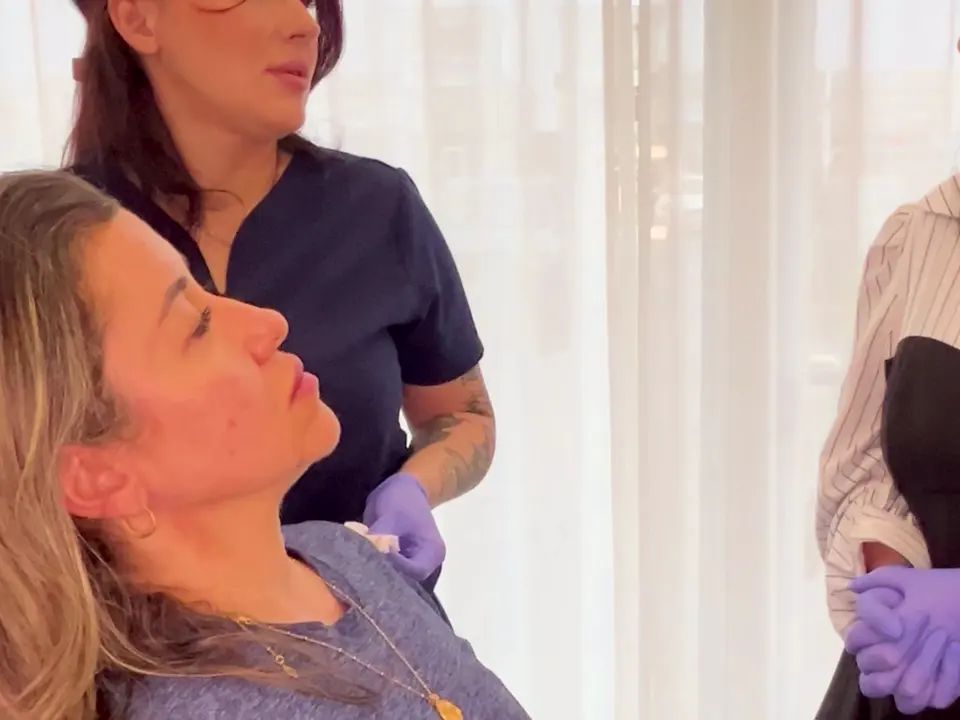 Step 1AssessAn NP or physician assesses every live model first.
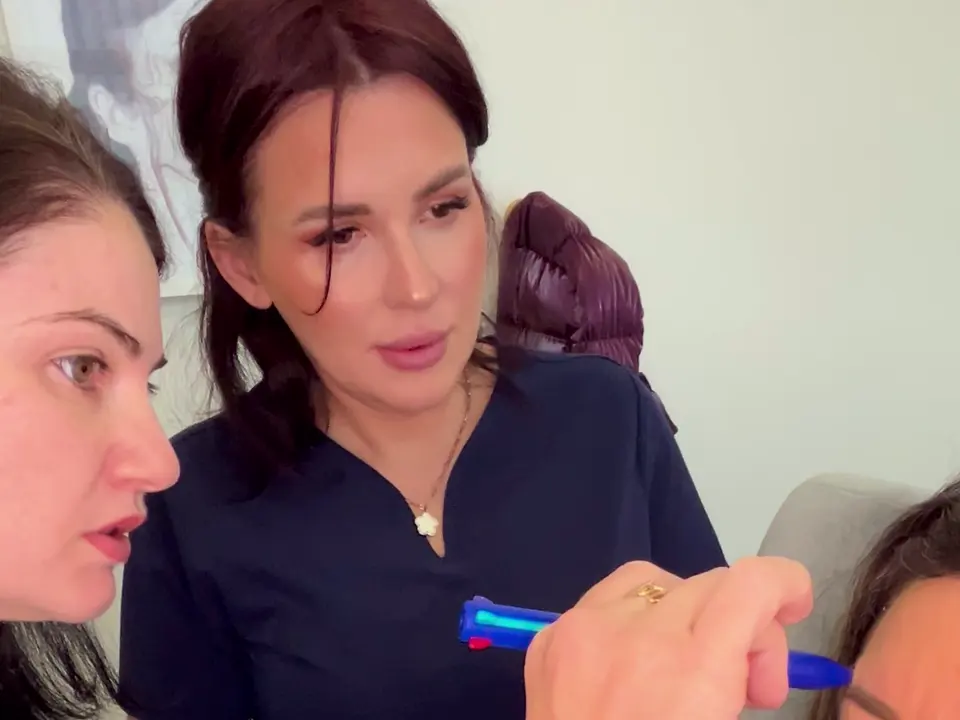 Step 2MapYou mark landmarks and vessels. Your trainer checks it.
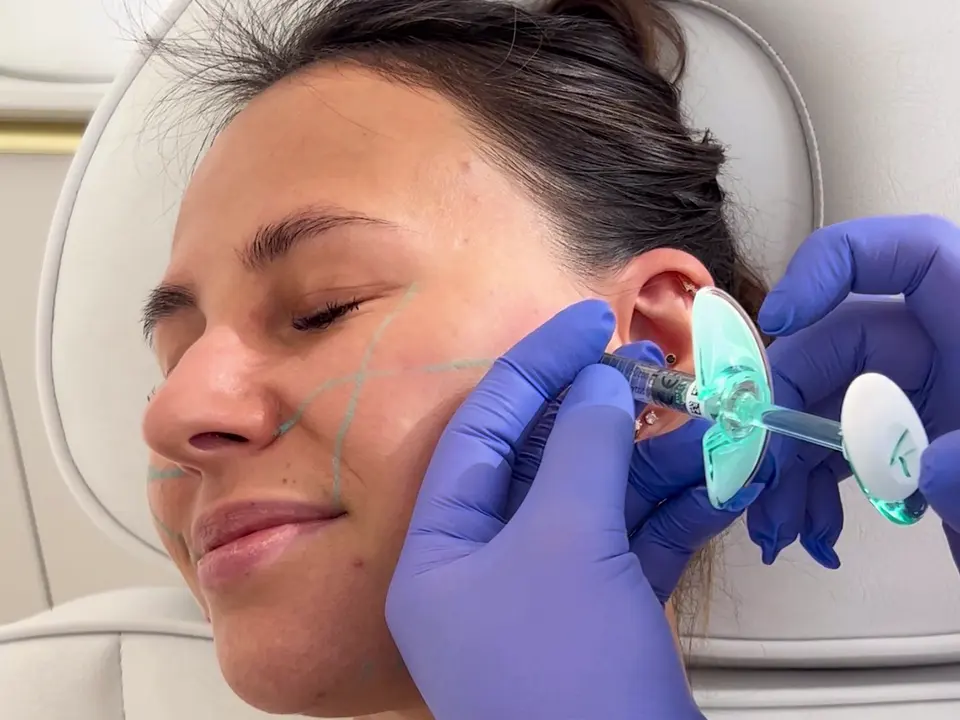 Step 3TreatYou inject under supervision, 3 students at most.
Dates
- DatesAsk admissions.All dates
Admissions gives the next date for this course. After this: Dates
Questions first? Read the course FAQ or see admissions.
Before you book
Who it's for, what you leave with, and what nurses ask.
Who can take it
RNs, RPNs, NPs and physicians. RNs and RPNs practise with an order from an NP or physician, and from 1 March 2027 it must be a client-specific order (what changes in March). Dentists: talk to us first, cosmetic work stays inside the mouth in Ontario. Naturopathic doctors: this course isn't open to NDs. Check your licence on the Can I train? list.
What you leave with
A certificate of completion. It records the course you took and the training you finished. Permission to inject comes from your licence and, for RNs and RPNs, an order from an NP or physician.
Is PRP in this course drawn and injected, or only microneedled?
Both are taught: the draw, preparing the plasma, and placing it by injection or with microneedling. You learn the face and the scalp separately, because the grid and the plan differ.
Can I do the blood draw myself as an RN or RPN?
You do the draw as part of a PRP treatment, and the treatment needs an order from an NP or physician. From 1 March 2027 that order is client-specific.
Do I need the neuromodulator or filler course first?
No, this course stands on its own. If you're new to injecting, Foundations teaches the anatomy, consent and charting the whole map rests on.
Who are the models?
People who want the treatment. Each one is assessed by an NP or physician, who decides whether treatment is right for them and writes the order.
Does the certificate let me offer PRP?
No. It's a certificate of completion and records your training. Permission comes from your licence and, for RNs and RPNs, an order from an NP or physician.
Get the one-page order check: what a client-specific order should contain, and the questions to ask before every injection.
Your checklist is ready.
Download it, print it, and keep it by the chair.
Next on the map
Learn in a small group. Practice with guidance. Grow with ongoing support.